New Moon
The Moon’s illuminated side faces mostly away from Earth, marking the beginning of a new lunar phase cycle.
- Lunar PhaseNew Moon
- Illumination≈ 0%
- Cycle StageWaxing begins
Discover an AI-integrated approach to lunar gravitational energy prediction through advanced data analysis and computational modeling.
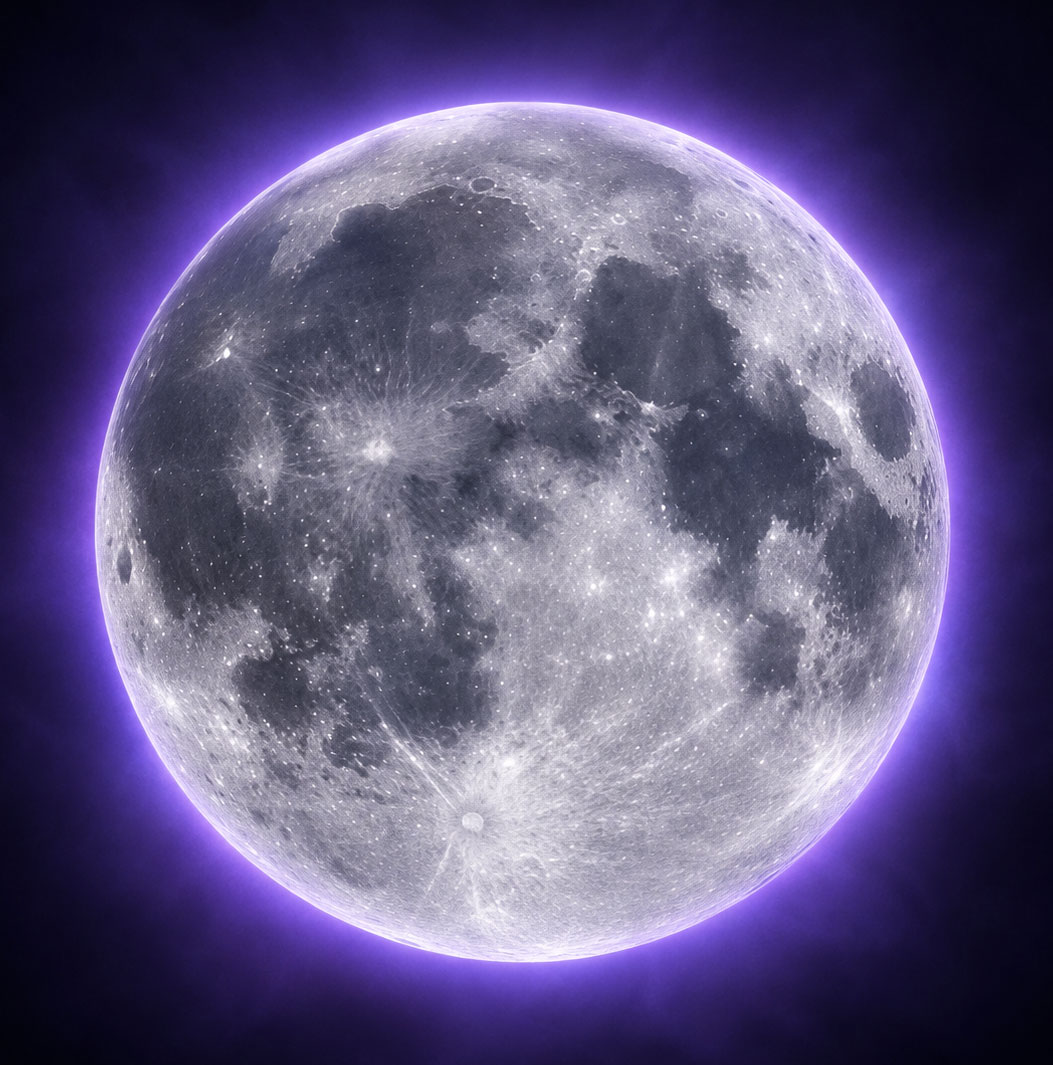
Explore lunar gravitational patterns through intelligent analysis, scientific observations, and AI-driven predictive modeling.
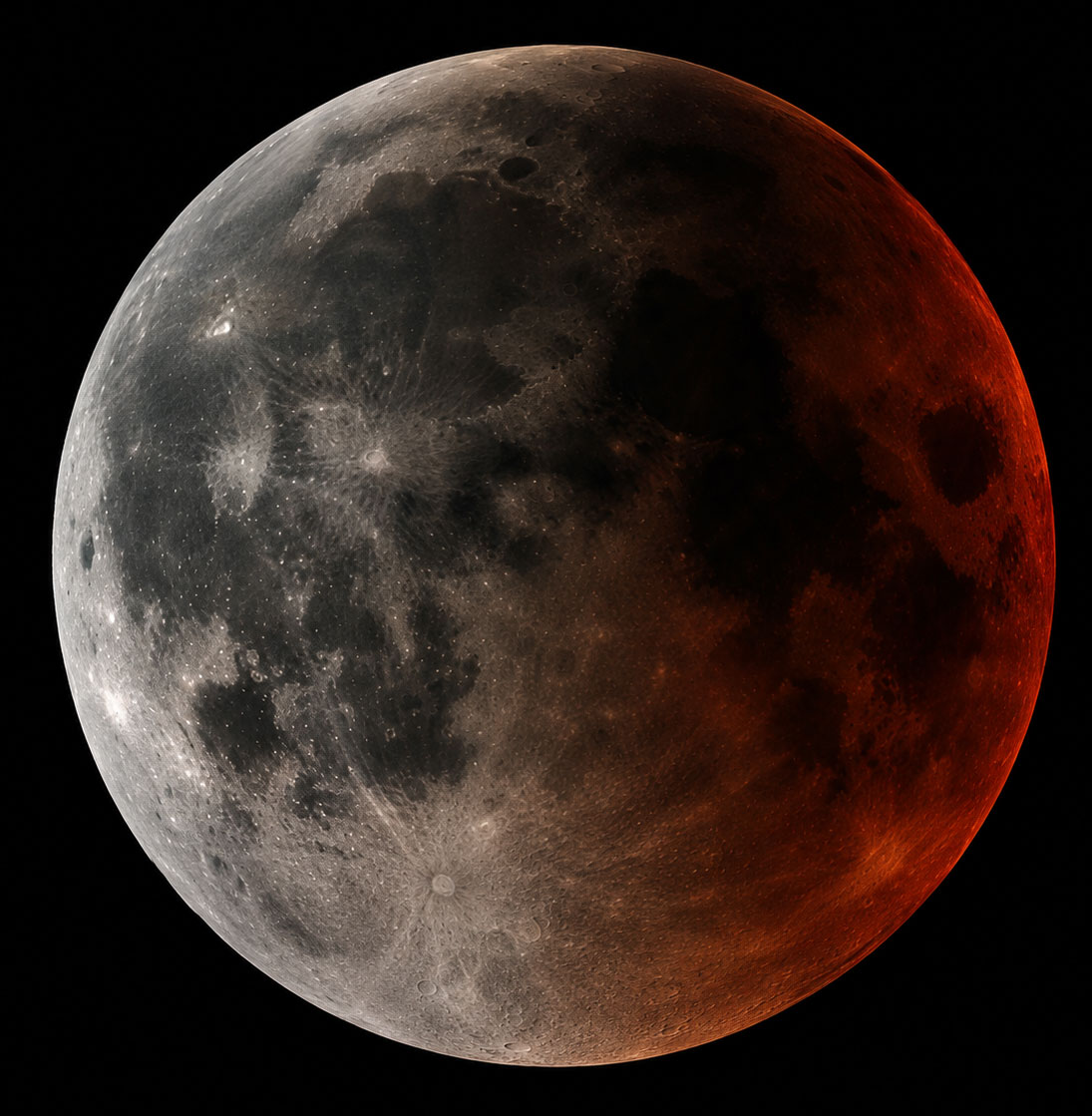
Bringing lunar data and AI-powered modeling together to explore new possibilities in gravitational energy prediction.
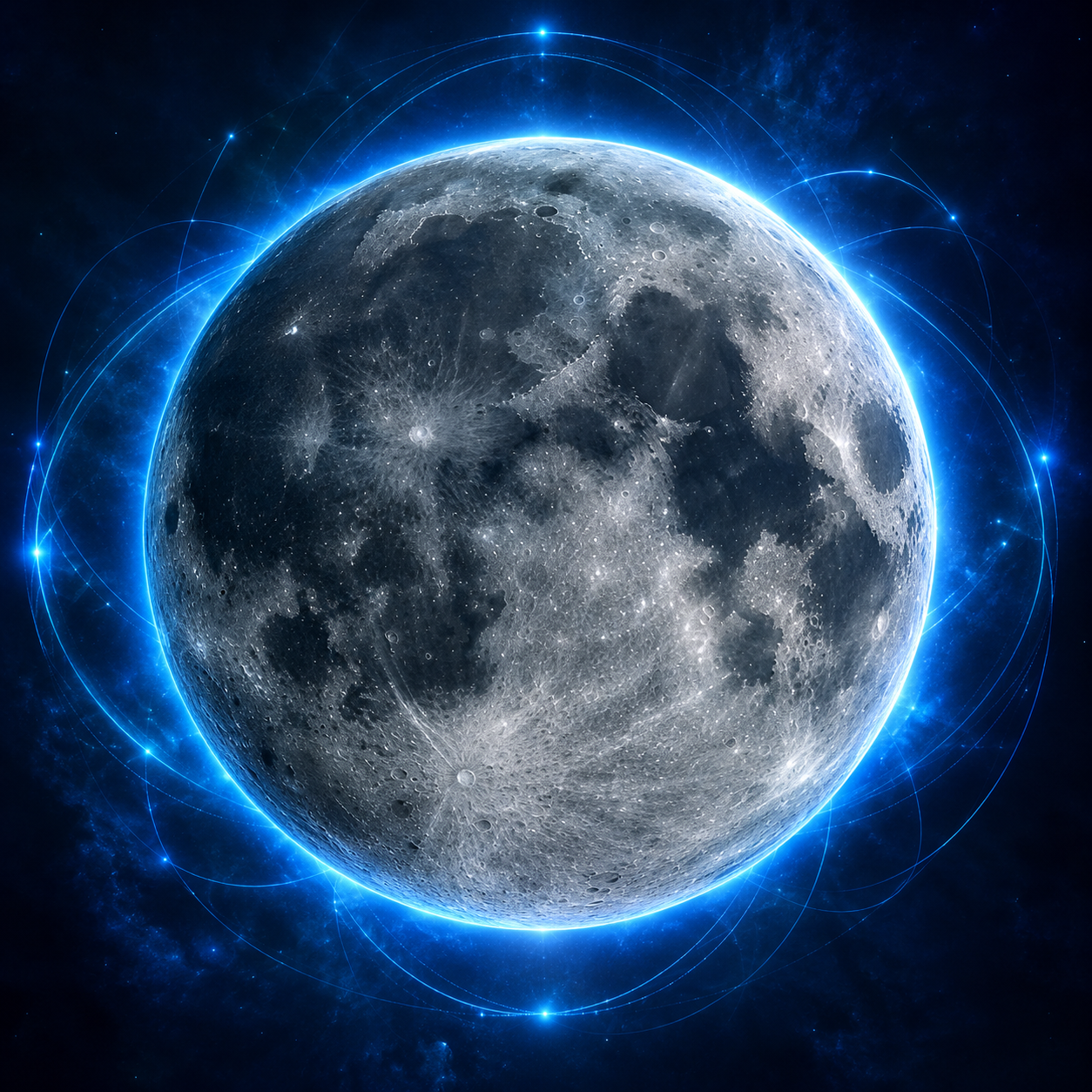
Moon Light explores an AI-integrated approach to lunar gravitational energy prediction. By combining lunar data analysis, scientific observations, and computational modeling, the project aims to uncover meaningful patterns and advance the understanding of lunar gravitational phenomena.
Explore lunar patterns and observations to support a deeper understanding of the Moon and its gravitational influence.
Bring artificial intelligence and computational modeling together to explore new approaches to lunar gravitational energy prediction.
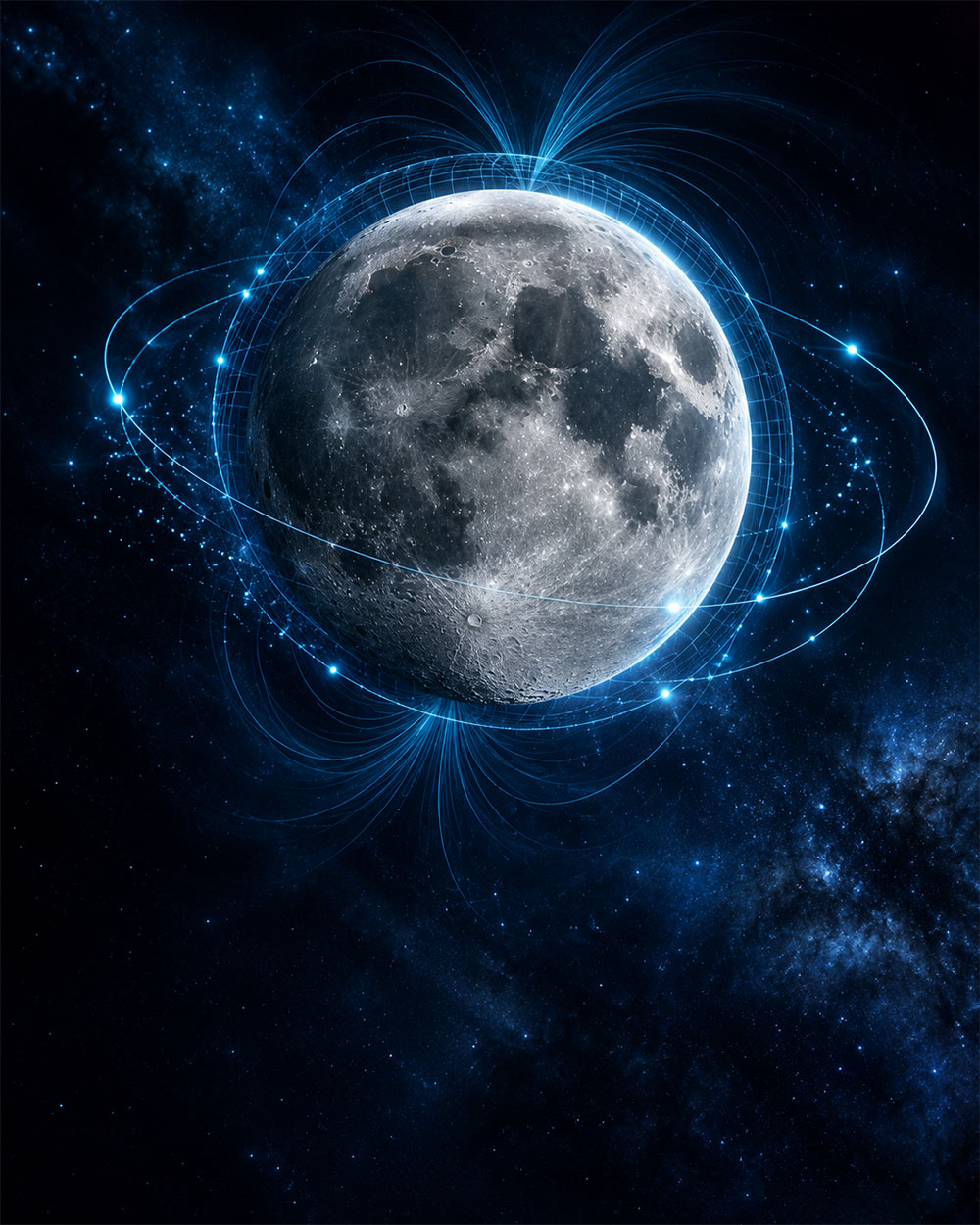
Explore relevant lunar observations, orbital information, and gravitational datasets to establish a foundation for scientific analysis.
Study lunar positions, orbital cycles, and relevant gravitational variables to explore relationships and recurring patterns within the data.
Bring artificial intelligence and computational modeling together to analyze lunar datasets and investigate approaches to gravitational energy prediction.
Interpret model outputs and evaluate predictions against relevant scientific reference data to support further research into lunar gravitational phenomena.
Moon Light explores the potential of AI-integrated lunar analysis to support scientific discovery, improve the interpretation of gravitational data, and open new directions for future research. By combining lunar observations with computational modeling, the project encourages innovative approaches to understanding lunar gravitational phenomena.
Explore lunar observations, orbital patterns, and astronomical data to support scientific investigation and deepen our understanding of the Moon.
Analyze relevant gravitational datasets and lunar variables to investigate relationships, identify patterns, and support data-driven scientific interpretation.
Investigate how artificial intelligence and predictive modeling could contribute to future lunar research, computational analysis, and emerging scientific applications.
Moon Light explores the intersection of artificial intelligence, lunar science, and gravitational data analysis. Through computational modeling and scientific research, the project aims to investigate lunar patterns and explore innovative approaches to gravitational energy prediction.

Exploring lunar observations and scientific datasets.
Investigating intelligent computational models.
Exploring new possibilities in lunar science and predictive analysis.

Meet the person driving Moon Light’s vision to explore AI-integrated lunar research and gravitational energy prediction. Through a focus on scientific exploration, technological innovation, and computational modeling, the project aims to investigate new possibilities in understanding lunar gravitational phenomena.
Dr. M. Ramana holds an M.A. and Ph.D. and serves as Head and Associate Professor in the Department of Political Science at Nizam College, Osmania University, Hyderabad. His academic and research interests include the Indian Political System, Governance and Public Policy, International Relations, and Rural Development.
Discover research and technical insights related to Moon Light, an AI-integrated approach to lunar gravitational energy prediction. Explore the scientific concepts, data analysis methods, computational modeling approaches, and future research possibilities associated with lunar gravitational phenomena.
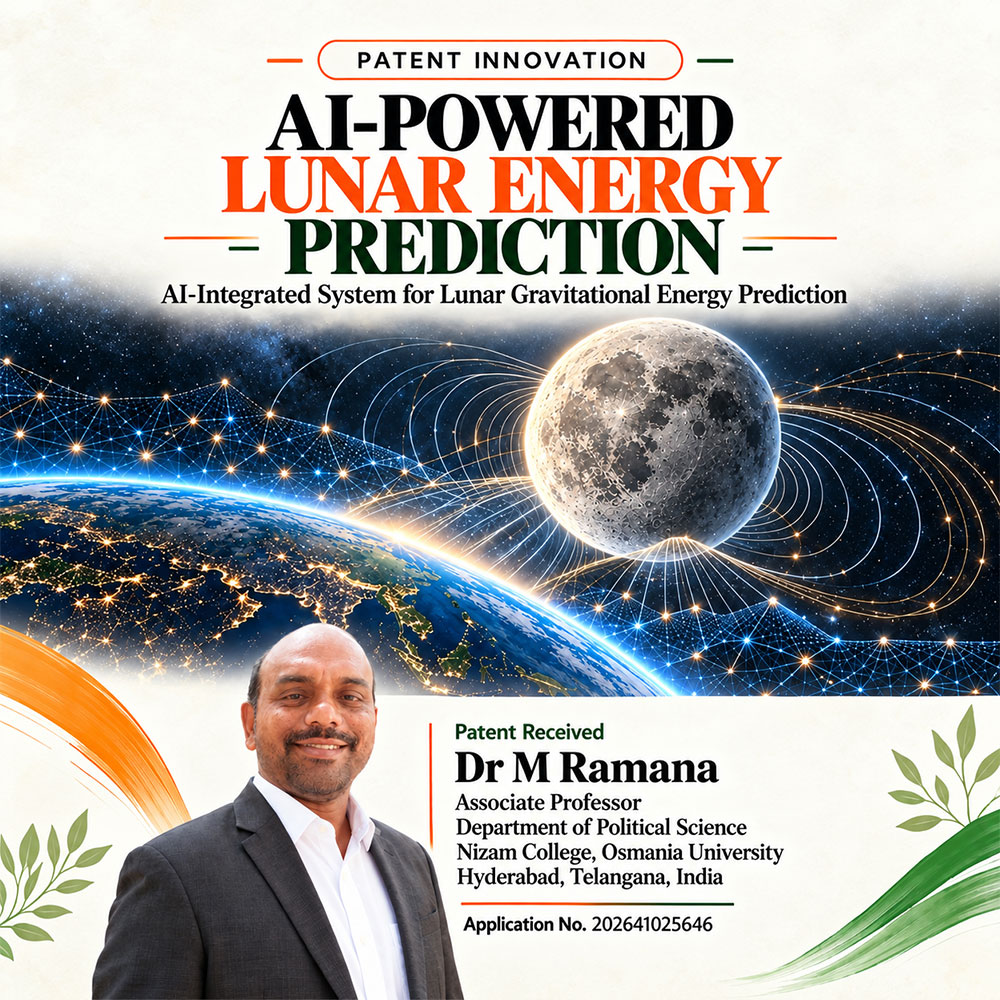
Moon Light explores the potential application of artificial intelligence and computational modeling to lunar data analysis and gravitational energy prediction. The research concept focuses on examining lunar observations, interpreting relevant gravitational variables, and investigating data-driven approaches to understanding lunar gravitational phenomena.